Gluten-free kitchen essentials: what's worth buying
Toaster bags, a separate bread board, labelled jars and more: the few bits of kitchen kit that help prevent cross-contamination, and what you don't need to buy.
You don’t need a whole new kitchen when someone at home has coeliac disease. Coeliac UK’s advice on cross-contamination at home is mostly about habits: standard washing-up liquid or a dishwasher removes gluten, and you don’t need separate cloths or sponges. A few inexpensive items do make those habits easier to stick to, especially in a busy family kitchen.
The NHS explains that cross-contamination can happen if gluten-free foods and foods that contain gluten are prepared together or served with the same utensils. This guide covers what’s worth buying, what to look for, and what you can skip. For the habits themselves, read our guide to avoiding cross-contamination at home.
Each item links back to a specific piece of Coeliac UK advice, or is clearly marked as our own practical suggestion. Where we name a product, we checked its details on the seller’s page on the date shown. We haven’t tested these products ourselves, and we don’t receive any payment for mentioning them.
1. Toaster bags or a separate toaster
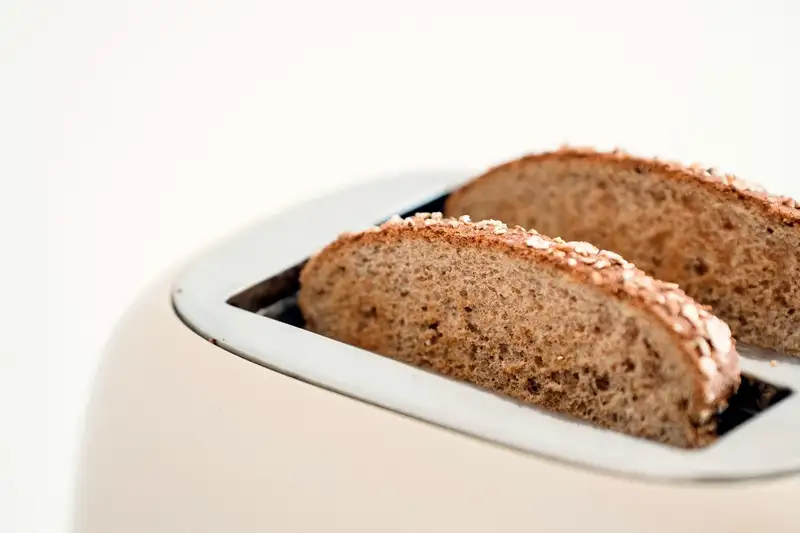
Why: Coeliac UK suggests you use toaster bags or consider a separate toaster for gluten-free bread. Crumbs from ordinary bread collect inside a shared toaster.
What to look for:
- Toaster bags: reusable, non-stick bags that fit your toaster’s slots, with the number of uses stated by the maker. They’re also useful when you’re staying with friends or family.
- A separate toaster: any toaster works. A different colour, or a clear label, helps everyone remember which one is gluten-free.
Example (details checked 15 October 2026): Lakeland’s 2 Lakeland Toastabags (product code 10724) are a pack of two non-stick toaster bags that Lakeland says can be reused up to 500 times (Lakeland product page).
2. A separate bread board
Why: Coeliac UK says you may want separate bread boards to keep gluten-free and gluten-containing bread apart.
What to look for: a board that looks clearly different from your usual one, in another colour or material, and ideally dishwasher-safe. With a colour-coded set of boards, agree one colour for gluten-free.
3. Separate jars, tubs and spreads
Why: Coeliac UK recommends you have separate condiments, or at least use clean cutlery for shared butters, jams and spreads, because a knife that has touched ordinary toast carries crumbs back into the jar.
What to look for (our suggestions): a small lidded butter dish, and labels or coloured stickers so the gluten-free jars are obvious to everyone. Squeezy bottles avoid the problem altogether.
4. A colander kept for gluten-free food
Why (our suggestion): colanders and sieves have lots of small holes, so pasta and crumbs can cling to them. Washing them carefully is enough, but some households find a separate one simpler, especially when cooking gluten-free and ordinary pasta at the same meal.
What to look for: a colander in a different colour from your usual one, so nobody grabs the wrong one in a hurry.
5. Clean oil, a separate fryer, or air fryer liners
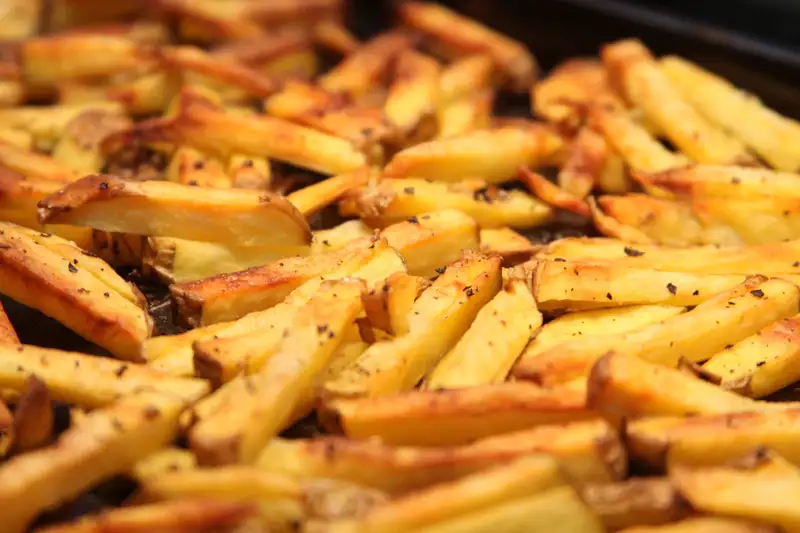
Why: Coeliac UK advises you use clean oil or a separate fryer for frying gluten-free foods. Oil that has been used for battered or breaded food can carry gluten into whatever is fried in it next.
What to look for (our suggestions): if you share an air fryer, a basket that comes out fully for washing, or liners that fit it. Clean the basket thoroughly between gluten-containing and gluten-free foods: a liner doesn’t replace proper cleaning, and it doesn’t guarantee protection from cross-contact.
6. Airtight, labelled storage
Why (our suggestion): sealed containers stop spills and crumbs from ordinary products getting into gluten-free flour, pasta and cereals.
What to look for: clear, airtight containers you can label. Store them on a shelf above gluten-containing foods, so nothing can fall in.
7. Digital kitchen scales
Why (our suggestion): gluten-free baking tends to be less forgiving than ordinary baking, and weighing in grams is more accurate than cups or spoons. Our gluten-free flours guide explains how different flours behave.
What to look for: 1 g increments, a tare (zero) button and a surface that’s easy to wipe clean.
What you don’t need to buy
Coeliac UK is clear that you don’t need separate cloths or sponges, and that standard washing-up liquid or a dishwasher will remove gluten. It advises cleaning pots, pans and cooking utensils with hot soapy water, so you don’t need to replace things that wash clean.
If you’re on a budget, spend where crumbs are hard to remove: the toaster, the bread board and shared jars. Good habits matter more than any piece of kit.
Related guides
- Avoiding cross-contamination at home
- Your first gluten-free supermarket shop
- Gluten-free flours compared
Frequently asked questions
Are toaster bags worth buying if you have coeliac disease?
Coeliac UK suggests using toaster bags or considering a separate toaster for gluten-free bread. Toaster bags are a low-cost option for a shared toaster and are handy when you're away from home. Wash them as the maker recommends and keep them for gluten-free bread only.
Do I need to buy new pans and utensils for gluten-free cooking?
Usually not. Coeliac UK says standard washing-up liquid or a dishwasher will remove gluten, and advises cleaning pots, pans and utensils with hot soapy water. Some households choose a separate bread board or wooden spoons because scratches and cracks are harder to clean, but that's a personal choice.
Do I need separate cloths and sponges?
No. Coeliac UK says you do not need to use separate cloths or sponges.
Can I share an air fryer or deep fat fryer?
Coeliac UK advises using clean oil or a separate fryer for frying gluten-free foods. With an air fryer, clean the basket thoroughly between gluten-containing and gluten-free foods. A liner can help, but it doesn't replace proper cleaning and doesn't guarantee protection from cross-contact.
Sources
- Avoid gluten free cross contamination at home, Coeliac UK. Accessed 12 October 2026.
- Coeliac disease: treatment, NHS. Accessed 12 October 2026.
The Coeliac Everyday newsletter
Gluten-free first: new recipes, supermarket alternatives, coeliac resources and allergy-aware ideas for UK families. Usually once or twice a month, never spam.
By signing up, you agree to receive the Coeliac Everyday newsletter by email. We'll email you a link to confirm first, and you won't be added until you click it. We use Kit to send our emails, and Kit records whether emails are opened and which links are clicked so we can see what's useful. You can unsubscribe at any time using the link in every email, or by emailing us. See our privacy policy for details.