A 7-day gluten-free meal plan for UK households
A realistic week of gluten-free breakfasts, lunches and dinners built on naturally gluten-free food, with batch-cooking, leftovers and a label-check list.
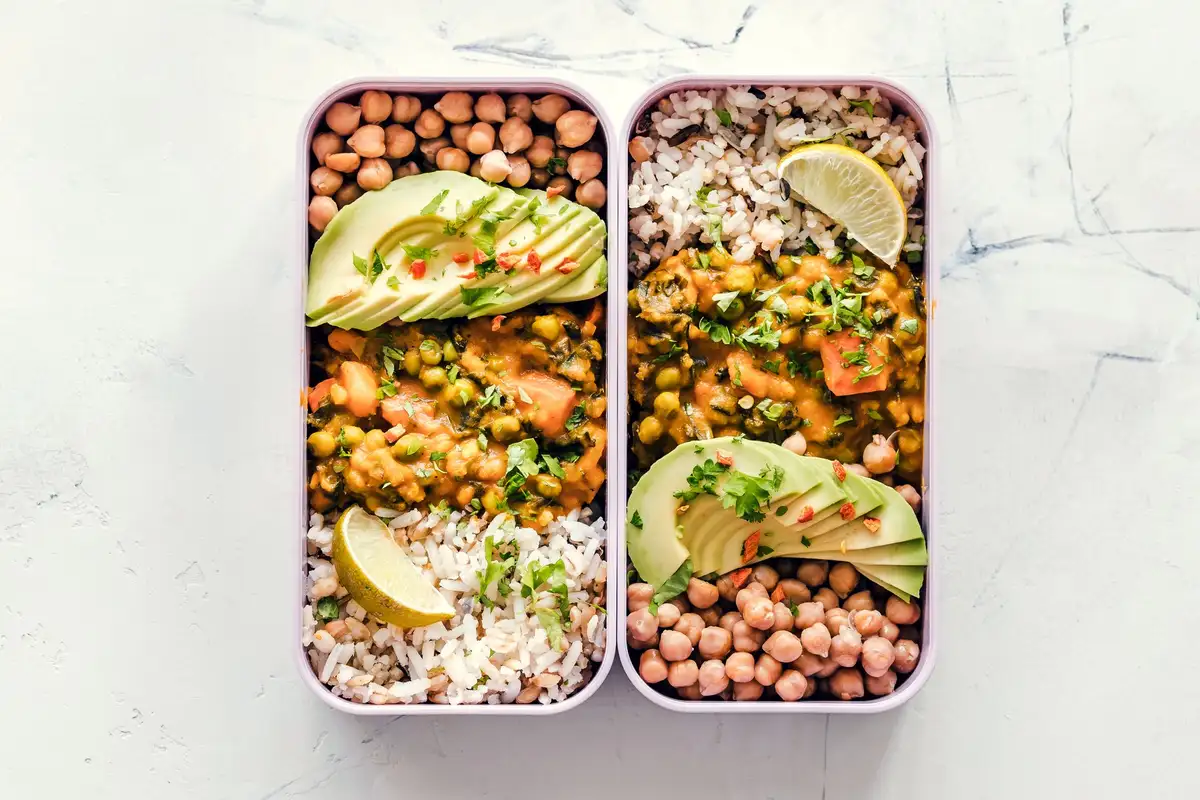
This plan is designed for a typical UK household where at least one person eats gluten-free. It leans on naturally gluten-free food such as potatoes, rice, eggs, meat, fish, pulses, fruit and veg, so most meals can be cooked once for everyone. It uses batch-cooking and planned leftovers to keep effort and cost down.
It’s a starting point, not a prescription. Portion sizes and swaps depend on your household, and anyone with specific nutritional needs should follow their dietitian’s advice.
How the plan works
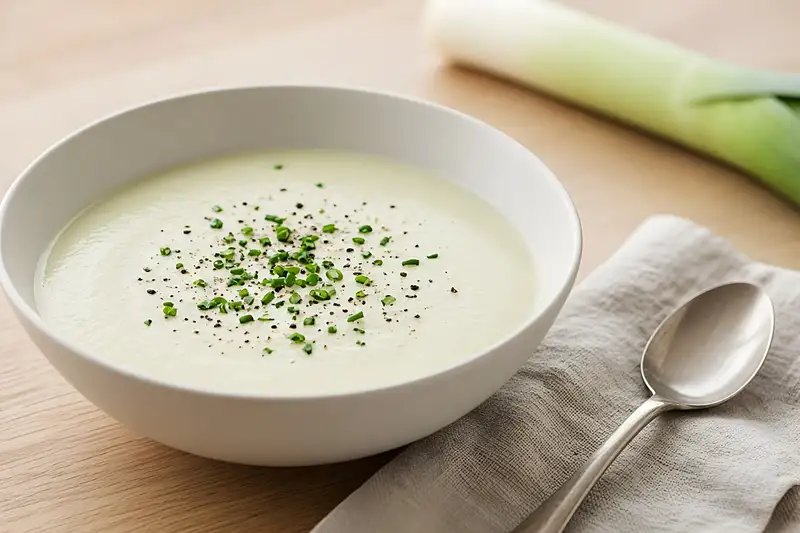
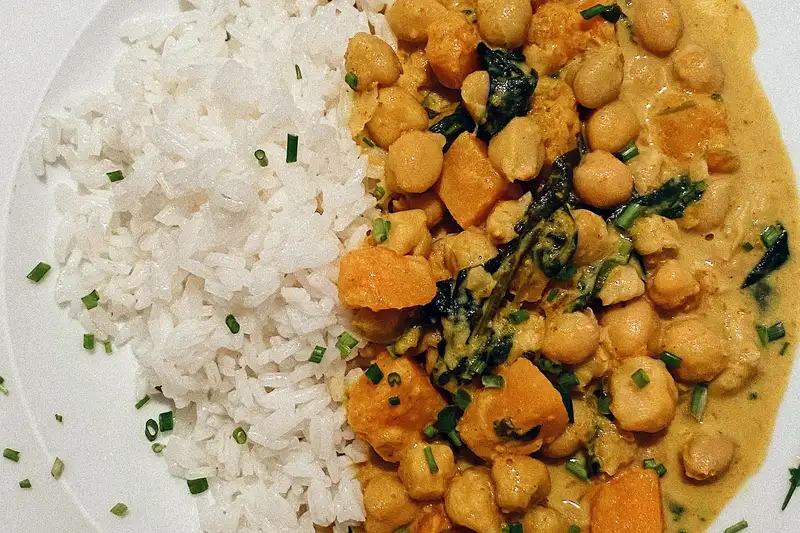
- Four of our recipes do the heavy lifting: the chicken traybake, sweet potato and chickpea curry, leek and potato soup and shakshuka.
- Leftovers become lunches, so you cook dinner and get tomorrow’s lunch sorted at the same time. Packing for school? See our gluten-free lunchbox and school meals guide.
- Items marked ✓ need a label check. Coeliac UK highlights foods such as stock cubes, sauces, seasonings, sausages and ready meals as ones to check. For sausages, see are sausages gluten-free?.
Weekend prep (about 1 hour)
- Make a batch of leek and potato soup. Refrigerate two portions for Day 2 (if that’s more than 48 hours away, freeze them too) and freeze two for Day 5.
- Wash and chop some salad veg and store in containers for quick lunches.
- Check your store cupboard for gluten-free stock ✓ (see our gravy and stock cubes guide), gluten-free soy sauce or tamari ✓, cornflour labelled gluten-free ✓ and a gluten-free flour blend.
The week at a glance
| Day | Breakfast | Lunch | Dinner |
|---|---|---|---|
| Day 1 | Porridge made with oats labelled gluten-free ✓, topped with berries | Jacket potato with tuna and sweetcorn, and salad | Lemon and herb chicken traybake (cook 2 extra thighs) |
| Day 2 | Natural yoghurt ✓ with chopped fruit and mixed seeds | Leek and potato soup with gluten-free bread ✓ | Baked salmon fillets with rice, peas and lemon |
| Day 3 | Scrambled eggs on gluten-free toast ✓ | Leftover chicken with salad and new potatoes or rice | Sweet potato, chickpea and spinach curry with rice (make double and freeze half) |
| Day 4 | Porridge (gluten-free oats ✓) with grated apple and cinnamon | Leftover curry, reheated until steaming hot | Chilli con carne with rice, using gluten-free stock ✓ and checked spices ✓ |
| Day 5 | Banana and natural yoghurt ✓ | Leek and potato soup (from the freezer) | Cheese and vegetable omelette with salad and oven chips ✓ |
| Day 6 | Brunch: shakshuka with gluten-free bread ✓ | Light snack: fruit, cheese and rice cakes ✓ | Chicken and vegetable stir-fry with rice noodles and gluten-free tamari ✓ (soy sauce guide) |
| Day 7 | Pancakes made with gluten-free plain flour ✓ | Roast dinner: roast chicken, roast potatoes, seasonal veg, gravy thickened with cornflour labelled gluten-free ✓ and gluten-free stock ✓ | Light supper: leftover roast chicken and salad |
Snack ideas: fresh fruit, plain nuts (check coated or flavoured nuts ✓), cheese, plain popcorn, rice cakes ✓, hummus ✓ with veg sticks.
Notes on balance
The NHS Eatwell Guide sets out a healthy, balanced diet for most people. The NHS also says it’s important to make sure a gluten-free diet is healthy and balanced, and that a dietitian can help with this.
A few points relevant to gluten-free eating:
- Starchy foods: potatoes, rice, gluten-free oats and gluten-free bread or pasta replace wheat-based staples. Vary them across the week.
- Fibre: gluten-free diets can be lower in fibre if they rely heavily on refined free-from products. Pulses, veg, fruit, potatoes with skins, brown rice and gluten-free oats all help.
- Calcium: Coeliac UK says low bone density is common in people with coeliac disease at diagnosis, so getting enough calcium and vitamin D matters. Dairy foods, or fortified alternatives, feature daily in this plan. Ask your dietitian or GP what’s right for you.
Food safety for batch cooking
The Food Standards Agency’s guidance on leftovers says to cool leftovers and put them in the fridge within two hours, and eat them within 48 hours or freeze them. Dividing food into smaller portions helps it cool faster, and your fridge should be between 0 and 5°C. Cooked rice needs extra care: the FSA advises chilling it within an hour and eating it within 24 hours. Reheat leftovers until steaming hot all the way through, stirring as you go, and only reheat them once.
Shopping list outline
Quantities depend on your household size, so treat this as a checklist rather than an exact list.
- Fresh: chicken thighs, whole chicken (Day 7), salmon fillets, beef mince, eggs, leeks, onions, garlic, ginger, peppers, sweet potatoes, new and baking potatoes, spinach, green beans, peas, salad, stir-fry veg, fruit, lemons, lime, fresh herbs
- Dairy: milk, natural yoghurt ✓, cheese
- Cupboard: rice, rice noodles, gluten-free oats ✓, tinned tomatoes, coconut milk, chickpeas, kidney beans, tuna, sweetcorn, olive oil, spices and dried herbs ✓ (some blends contain flour), cornflour labelled gluten-free ✓, gluten-free plain flour ✓, gluten-free stock ✓, gluten-free tamari ✓
- Free-from aisle: gluten-free bread ✓, rice cakes ✓
- Freezer: oven chips ✓, frozen peas
For help navigating the shop itself, see our UK supermarket guide.
Not eating oats?
If you’ve been advised to avoid oats, or you haven’t tried gluten-free oats yet (see our oats guide), swap porridge for yoghurt and fruit, eggs, or a cereal labelled gluten-free that doesn’t contain oats.
Want more variety?
Rice and potatoes do a lot of work in this plan. To widen your options, see which grains are gluten-free (quinoa, buckwheat, millet and more). For a meat-free, allergy-friendly dinner, try our vegan lentil cottage pie.
Sources
- Coeliac disease: treatment, NHS. Accessed 4 October 2026.
- The Eatwell Guide, NHS. Accessed 4 October 2026.
- The gluten free diet (information for healthcare professionals), Coeliac UK. Accessed 4 October 2026.
- Back to basics, Coeliac UK. Accessed 4 October 2026.
- Cooking your food, Food Standards Agency (GOV.UK). Accessed 4 October 2026.
- How to chill, freeze and defrost food safely, Food Standards Agency (GOV.UK). Accessed 29 October 2026.
- Home food fact checker, Food Standards Agency (GOV.UK). Accessed 29 October 2026.
The Coeliac Everyday newsletter
Gluten-free first: new recipes, supermarket alternatives, coeliac resources and allergy-aware ideas for UK families. Usually once or twice a month, never spam.
By signing up, you agree to receive the Coeliac Everyday newsletter by email. We'll email you a link to confirm first, and you won't be added until you click it. We use Kit to send our emails, and Kit records whether emails are opened and which links are clicked so we can see what's useful. You can unsubscribe at any time using the link in every email, or by emailing us. See our privacy policy for details.