Gluten-free shopping in UK supermarkets: a starter guide
How to do a gluten-free shop in a UK supermarket: the free-from aisle, naturally gluten-free staples, foods to check, saving money and help with prescriptions.
Your first gluten-free food shop can take a long time. Most people find that, after a few weeks, it’s no slower than before. This guide gives you a plan for the first few trips. It’s deliberately general: ranges and recipes change often, so we don’t list specific products here. The label on the pack in your hand is always the final word.
Start with what’s naturally gluten-free
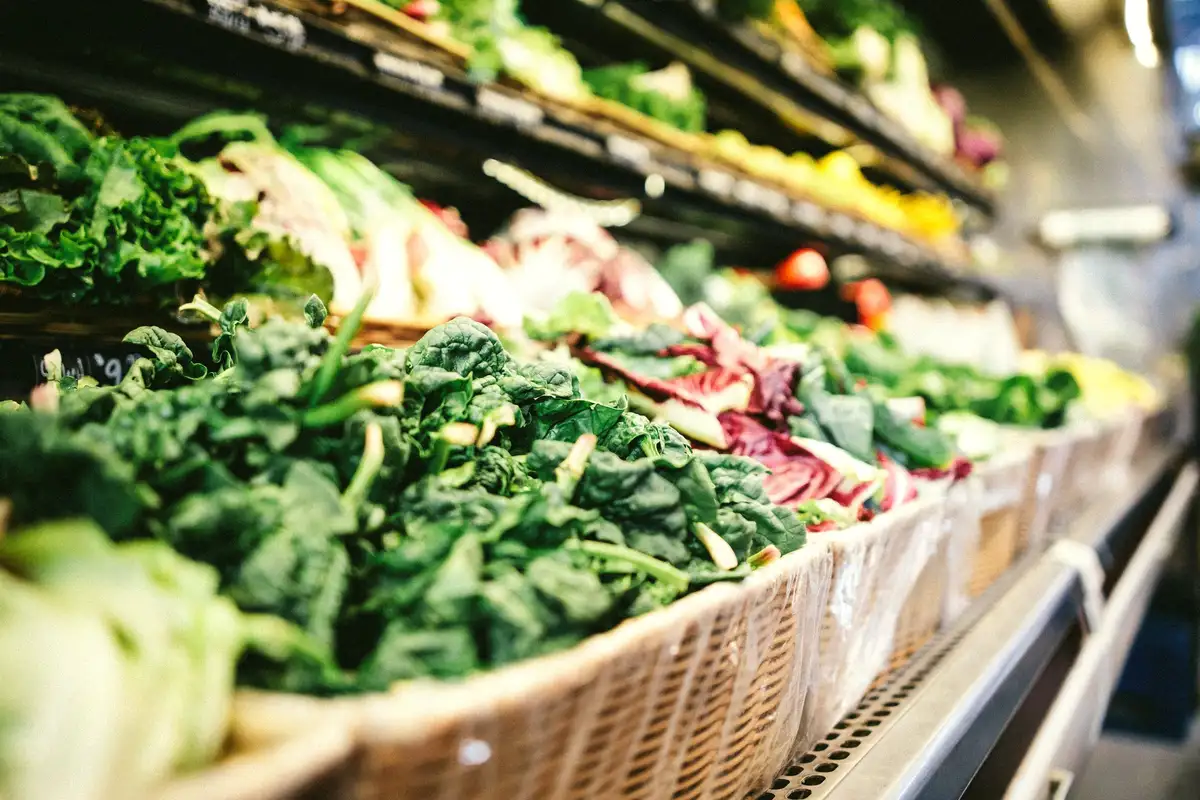
The biggest shift is realising that most of your trolley doesn’t need to come from the free-from aisle. The NHS lists many foods that are naturally free from gluten, including:
- fresh fruit and vegetables
- plain meat and fish (not breaded or battered)
- potatoes
- rice and rice noodles
- most dairy products, such as cheese, butter and milk
- gluten-free flours such as rice, corn, soy and potato flour
Coeliac UK adds lentils to the list of good bases for meals, and notes that drinks such as fruit juice, fizzy drinks, wine and spirits are generally fine. Naturally gluten-free flours can still pick up gluten if they’re milled where wheat flour is milled, so Coeliac UK advises choosing flours labelled gluten-free.
Build your weekly shop around these, and use the free-from aisle for the things you can’t easily swap.
The free-from aisle
Most large UK supermarkets have a dedicated free-from section, usually with gluten-free bread, pasta, flour, biscuits, cereals and snacks, often including supermarket own-brand ranges. Many also stock chilled and frozen gluten-free items, such as pizza bases, pastry, ready meals and bakery goods, in their own free-from areas of the chilled and frozen aisles.
A few tips:
- Free-from isn’t always gluten-free. Some products in the free-from aisle are free from other allergens such as milk, but contain gluten. Always look for “gluten-free” specifically.
- Gluten-free products aren’t only in the free-from aisle. Many everyday products are labelled gluten-free and sit in their normal aisle.
- Check bread and pasta storage. Gluten-free bread often has a shorter shelf life once opened. Freezing sliced loaves and toasting from frozen is a common approach.
Foods that often contain hidden gluten
Coeliac UK says gluten can turn up in soups, sauces, stock cubes, ready meals and processed foods like sausages (see are sausages gluten-free?), and recommends checking the labels of products such as:
- stock cubes, gravy and seasonings (see are gravy granules and stock cubes gluten-free?)
- ready-made sauces
- processed vegetable products, such as frozen chips (see are chips gluten-free?)
These are also commonly worth checking:
- Soy sauce: many traditional soy sauces are brewed with wheat. Look for one labelled gluten-free (see is soy sauce gluten-free?).
- Spice blends and curry powders: some contain flour. Single spices are less likely to, but check.
- Crisps and coated nuts: some flavourings and coatings contain wheat or barley malt.
- Breakfast cereals: many contain barley malt extract. Our guide to malt vinegar and barley malt extract explains when these are suitable.
- Beer, lager and ale: the NHS notes that most beers are made with barley. Look for beers labelled gluten-free; our gluten-free beer guide explains the labels.
To check any of these, use the method in our labelling guide.
A simple first-shop list
Here’s a starting list built mostly from naturally gluten-free foods (✓ means check the label):
- Carbs: potatoes, rice, rice noodles, corn tortillas ✓, gluten-free pasta, gluten-free bread, gluten-free oats ✓ (see our oats guide)
- Protein: eggs, chicken, fish, mince, tinned beans and pulses, tofu ✓
- Fruit and veg: whatever’s in season, plus frozen veg and tinned tomatoes
- Dairy: milk, cheese, natural yoghurt ✓ (flavoured yoghurts can contain cereal pieces)
- Store cupboard: gluten-free stock cubes ✓, gluten-free soy sauce or tamari ✓, olive oil, herbs and single spices ✓, cornflour labelled gluten-free ✓, gluten-free plain flour
Tools that make shopping easier
- Coeliac UK’s Live Well Gluten Free app (for members) includes a barcode scanner and information on the suitability of over 185,000 food and drink products, according to Coeliac UK. Membership is paid. Coeliac UK lists prices starting from £21 a year.
- Supermarket websites usually show ingredients and allergen information, and many let you filter for gluten-free. Use these to plan, but check the physical pack too, as recipes can change. To look closely at one supermarket, see how we review UK supermarkets for gluten-free shopping, which includes a checklist you can use yourself, and our supermarket guides, starting with gluten-free shopping at Tesco.
- Free allergy alerts tell you when a product has been recalled because gluten, or another allergen, is missing from the label. See our guide to allergy alerts and food recalls involving gluten for how to sign up.
Keeping costs down
Specialist gluten-free products tend to cost more than their standard equivalents. Ways to soften the impact:
- Base most meals on naturally gluten-free staples (potatoes, rice, eggs, pulses, seasonal veg), and save specialist products for where they really count. Our leek and potato soup is a cheap, naturally gluten-free example.
- Batch-cook and freeze. Our 7-day meal plan is built around this.
- Bake simple things yourself with a gluten-free flour blend. See our flour comparison.
- Check whether you’re eligible for gluten-free food on prescription. Coeliac UK explains that in England prescriptions are limited to bread and flour mixes, with some local areas restricting further or withdrawing them. In Scotland, Wales and Northern Ireland, people with a diagnosis can access staples such as bread, flour and pasta in line with national guidelines, though how it’s delivered varies. Our gluten-free prescriptions guide covers each nation in detail. If your ICB in England has stopped prescribing, see what to do if gluten-free prescriptions have stopped.
The golden rule
Coeliac UK’s key tip is to always read the label every time, because recipes and manufacturing processes can change without warning. A product that was fine last month may not be fine this month.
Not sure which grains are safe? Our guide to couscous, rice, quinoa and other grains explains which are naturally gluten-free and which contain gluten.
Sources
- Grains, Coeliac UK. Accessed 29 October 2026.
- Back to basics, Coeliac UK. Accessed 4 October 2026.
- How to read food labels, Coeliac UK. Accessed 4 October 2026.
- Coeliac disease: treatment, NHS. Accessed 4 October 2026.
- Prescriptions for gluten free food, Coeliac UK. Accessed 4 October 2026.
- Live Well Gluten Free app, Coeliac UK. Accessed 4 October 2026.
The Coeliac Everyday newsletter
Gluten-free first: new recipes, supermarket alternatives, coeliac resources and allergy-aware ideas for UK families. Usually once or twice a month, never spam.
By signing up, you agree to receive the Coeliac Everyday newsletter by email. We'll email you a link to confirm first, and you won't be added until you click it. We use Kit to send our emails, and Kit records whether emails are opened and which links are clicked so we can see what's useful. You can unsubscribe at any time using the link in every email, or by emailing us. See our privacy policy for details.