Alternatives & Comparisons
Gluten-free cookbooks worth a look (UK editions)
Three widely available UK gluten-free cookbooks for everyday cooking, budget meals and baking, with edition details and what each is best for.
Honest, side-by-side explainers on gluten-free swaps: flours, grains, pastas and more, covering what each one is good for and where it struggles.
Three widely available UK gluten-free cookbooks for everyday cooking, budget meals and baking, with edition details and what each is best for.
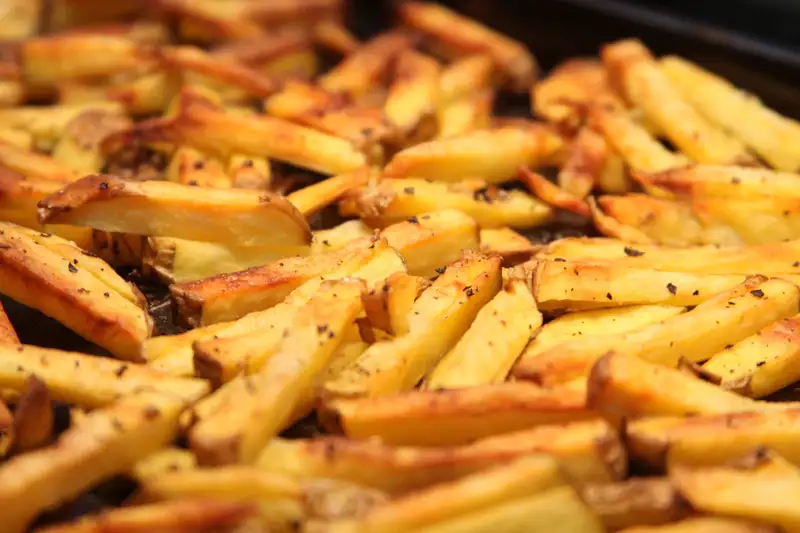
Plain potatoes are gluten-free, but chips need checking. What to look for on oven, frozen and microwave chips, and what to ask at chip shops and restaurants.
Standard Yorkshire puddings are made with wheat flour, so they aren't gluten-free. How to check ready-made and frozen ones, what to ask at a carvery, and making your own.

Some Halloween sweets and chocolates are gluten-free and some aren't. How to read the label, which sweets aren't gluten-free, and tips for trick-or-treating.
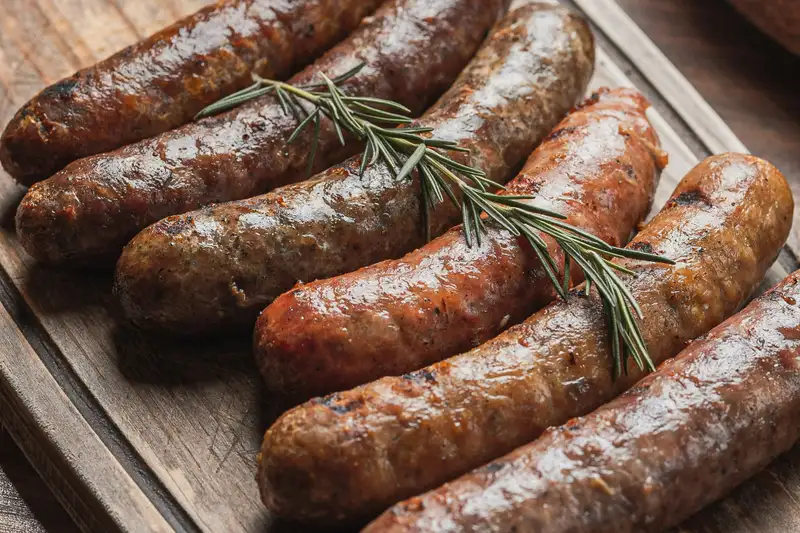
Some UK sausages contain wheat rusk and some don't. How to check the label, what to ask at the butcher's counter, and how to avoid cross-contamination.
Gravy granules, stock cubes and stock pots are 'need to check' foods for coeliacs. How to read the label, what to look for, and how to make gravy at home.
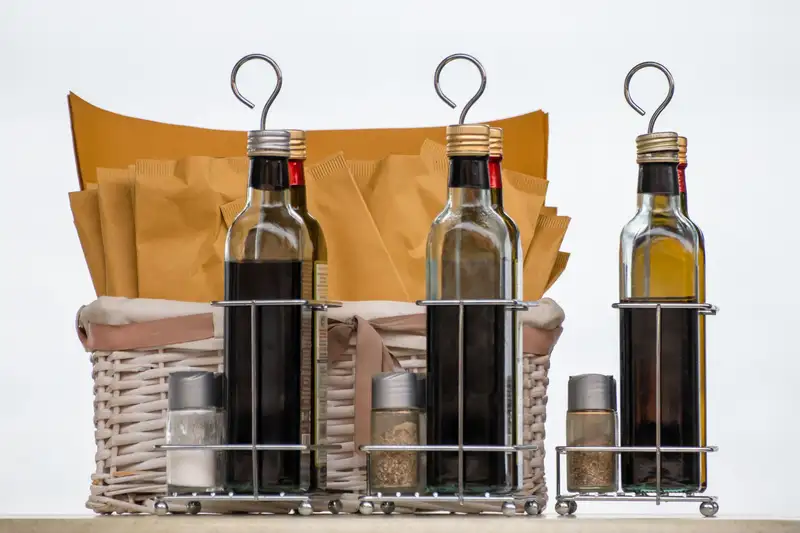
Malt vinegar is made from barley. When it's suitable on a UK gluten-free diet, what the label tells you, and how it shows up in crisps, chips and pickles.
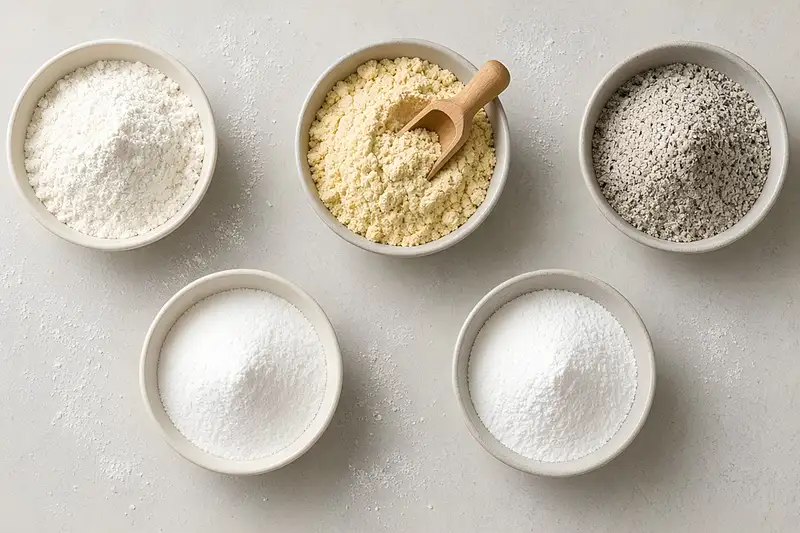
A practical comparison of gluten-free flours and starches, from rice, buckwheat and gram to tapioca, cornflour and blends, plus why xanthan gum matters.
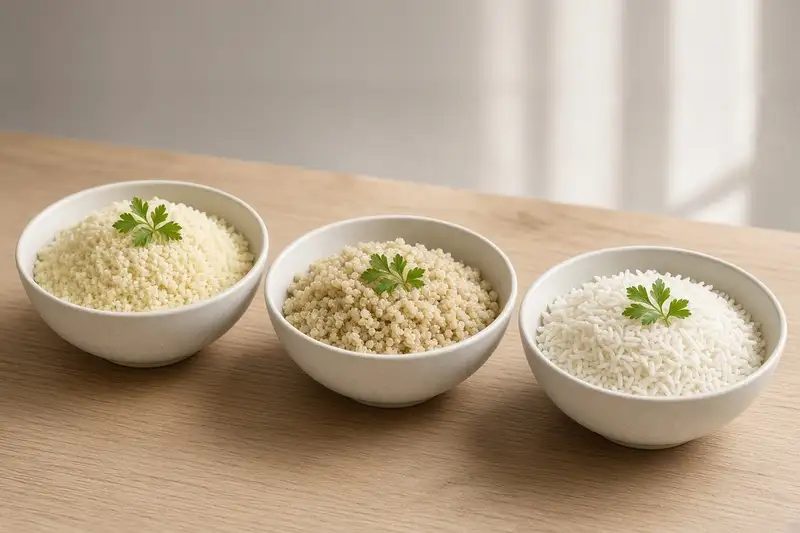
Couscous is made from wheat, so it isn't gluten-free. Which grains are naturally gluten-free (rice, quinoa, buckwheat, millet) and which to avoid.
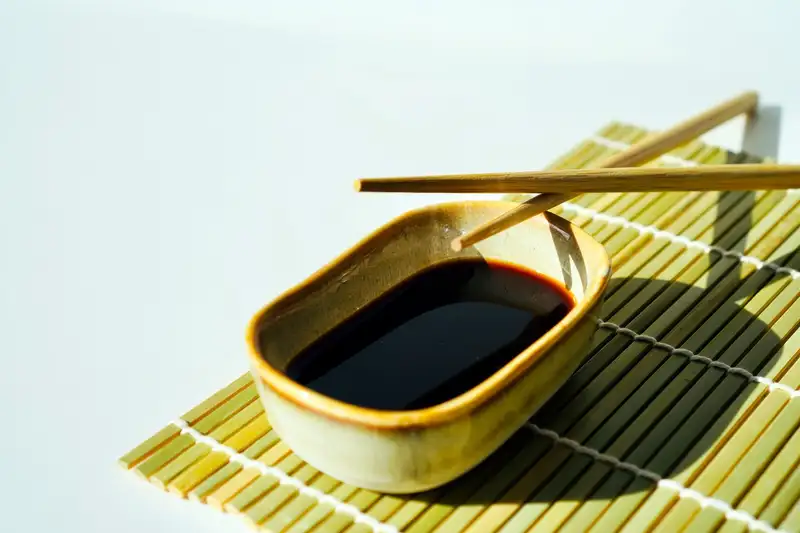
Most soy sauce is brewed with wheat, so it isn't gluten-free. How to find gluten-free soy sauce and tamari in the UK, and where soy sauce hides.
Swapping wheat-based foods for gluten-free ones is much easier when you know what each alternative is like to cook with. These guides compare the options side by side and answer the ‘is it gluten-free?’ questions that come up most often in UK kitchens, so you can choose the right swap for the meal you’re making.
Our gluten-free flours comparison covers rice, buckwheat and gram flours, starches such as tapioca and cornflour, and ready-made blends: what each one is good for, where it struggles, and why xanthan gum matters in baking. Is couscous gluten-free? explains why couscous isn’t (it’s made from wheat), and which grains you can use instead, such as rice, quinoa, buckwheat and millet. Is soy sauce gluten-free? explains why most soy sauce contains wheat, how tamari differs and what to look for on the bottle.
These guides help with cooking and shopping decisions. Whether a particular product suits a gluten-free diet always depends on its current label, so check the pack, even for something you’ve bought before. To put the swaps to use, browse our gluten-free recipes.
Gluten-free first: new recipes, supermarket alternatives, coeliac resources and allergy-aware ideas for UK families. Usually once or twice a month, never spam.
By signing up, you agree to receive the Coeliac Everyday newsletter by email. We'll email you a link to confirm first, and you won't be added until you click it. We use Kit to send our emails, and Kit records whether emails are opened and which links are clicked so we can see what's useful. You can unsubscribe at any time using the link in every email, or by emailing us. See our privacy policy for details.