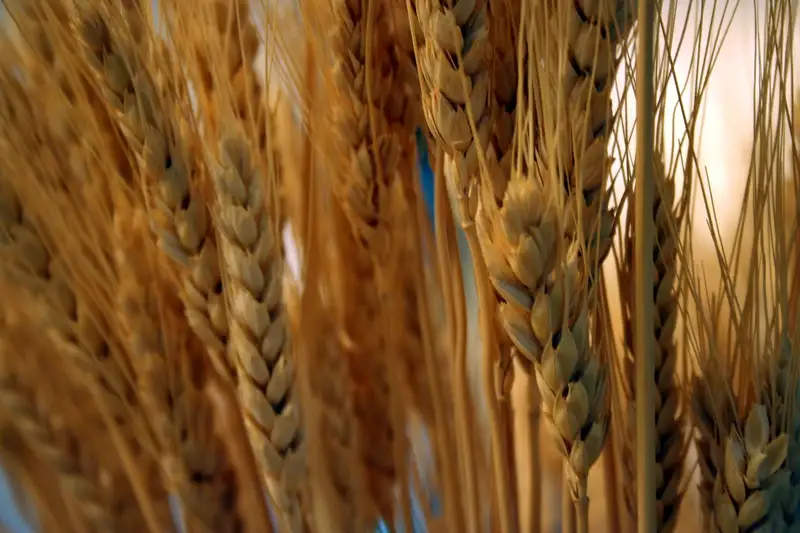
Coeliac disease, wheat allergy and gluten intolerance: what's the difference?
Coeliac disease, wheat allergy and gluten intolerance are different conditions. How each works, how it's diagnosed in the UK and what it means for labels.

Plain-English guides to coeliac disease and daily gluten-free life, with every health point linked to the NHS, NICE, Coeliac UK or the Food Standards Agency. Think you might have coeliac disease? Read about testing first, and keep eating gluten until you have been tested.
Coeliac disease, wheat allergy and gluten intolerance are different conditions. How each works, how it's diagnosed in the UK and what it means for labels.
Class parties, birthday parties, sleepovers and school trips with coeliac disease: who to talk to, what to send, and what UK schools should do.
What NICE says should happen at a coeliac disease annual review, the checks you might be offered, how children's follow-up differs, and how to prepare.
Why a gluten-free diet can be tiring as well as practical, what new UK research (GLOW, 2026) says, and where to find support in the UK.

What dermatitis herpetiformis is, how it links to coeliac disease, how it is diagnosed in the UK, and why a gluten-free diet is the long-term treatment.
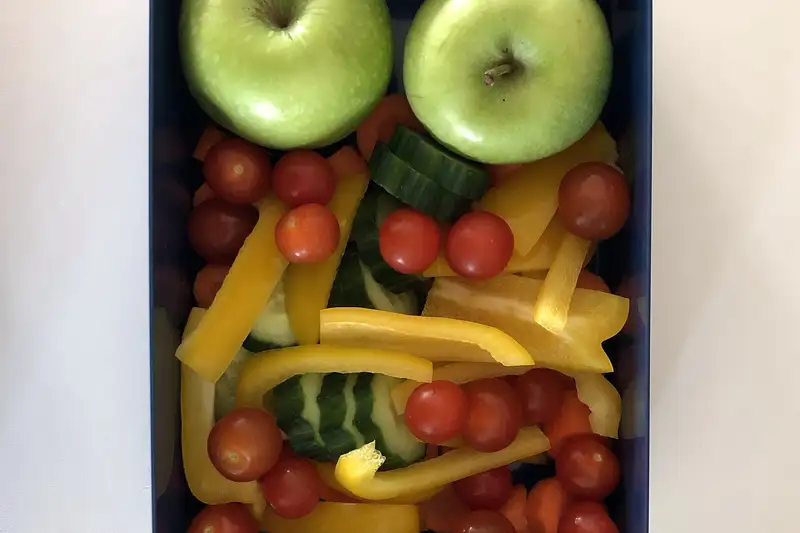
Packed lunch or school dinners with coeliac disease? What to talk to the school and caterer about, gluten-free lunchbox ideas, label checks and swapping rules.

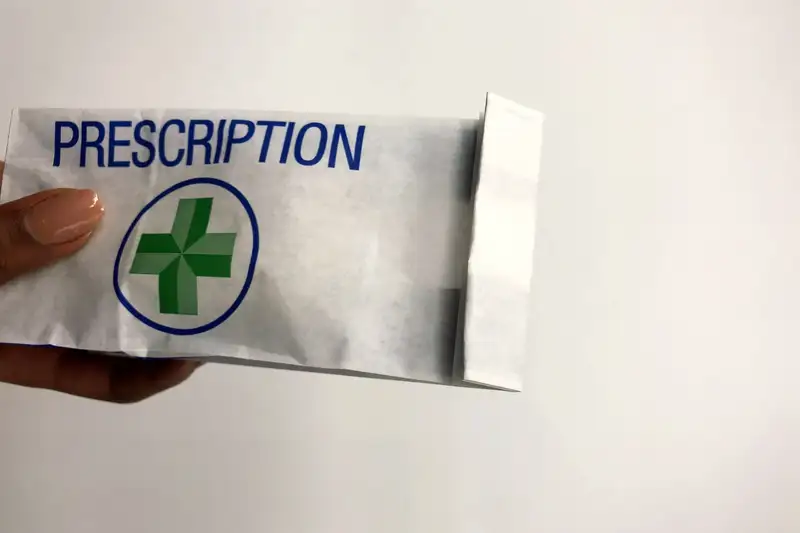
Has your ICB in England stopped gluten-free prescriptions? What to ask your GP, how exceptions work, label traps to avoid, budgeting tips and how to complain.

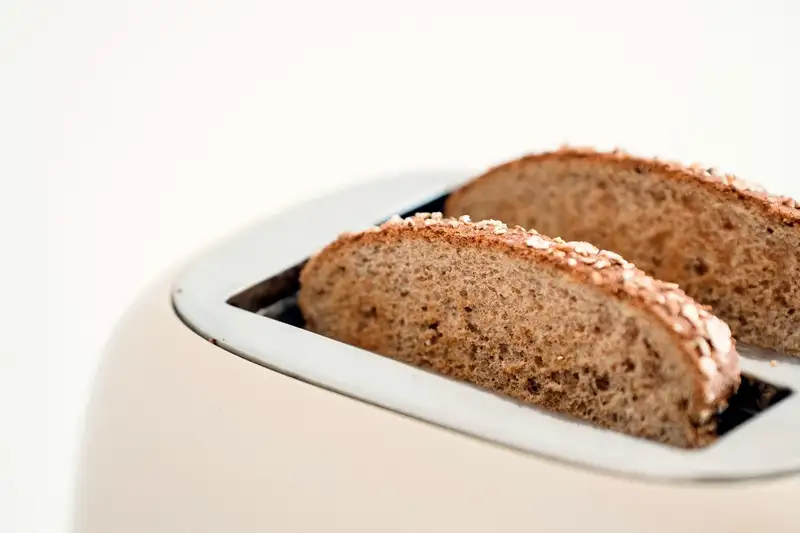
Simple, realistic steps to cut cross-contamination in a shared UK kitchen: toasters, spreads, fryers, storage and cleaning, based on Coeliac UK advice.

How coeliac disease is diagnosed in the UK: the tTG blood test, biopsy, the new no-biopsy route for some adults, and why to keep eating gluten until tested.

A UK parent's guide to coeliac disease in children: signs to look out for, how children are tested and diagnosed, and getting support at nursery and school.

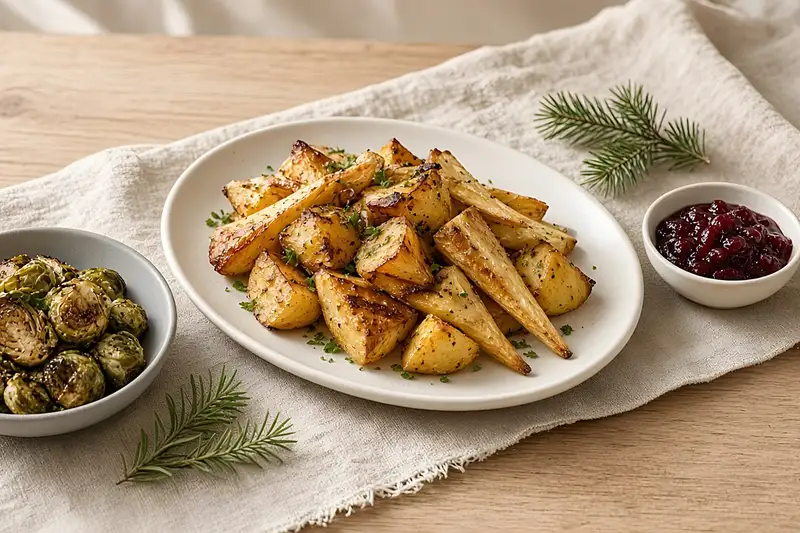
Plan a gluten-free Christmas: what's naturally gluten-free, what to check on stuffing, mince pies, pudding and selection boxes, and avoiding cross-contamination.

Who can get gluten-free food on NHS prescription, what's available in England, Scotland, Wales and Northern Ireland, how units work and what it costs.

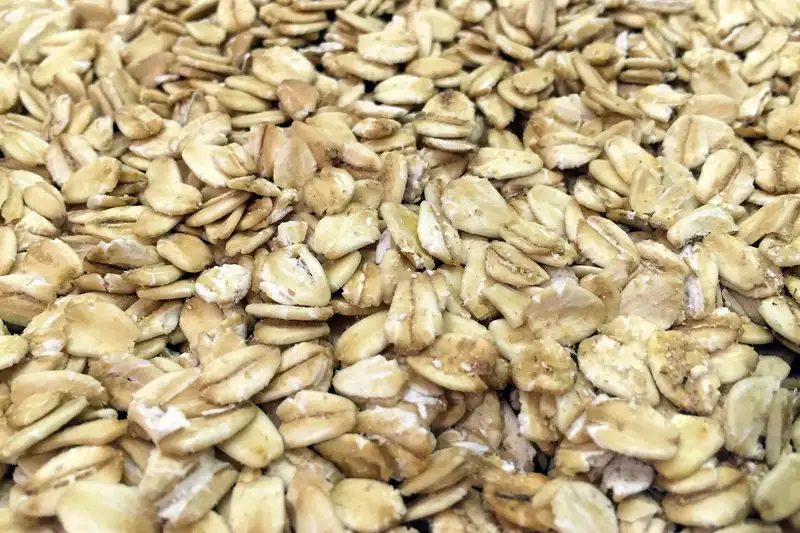
Can you eat oats with coeliac disease? What NICE, the NHS and Coeliac UK say about gluten-free oats, avenin, contamination and trying oats with your care team.

What coeliac disease is, common symptoms, how it is diagnosed in the UK, and why a strict lifelong gluten-free diet is the treatment, with NHS and NICE links.
This section is for anyone affected by coeliac disease in the UK: people who think they might have it, people who have just been diagnosed, and the parents, partners and friends who cook for them. Each guide links its health points to the NHS, NICE, Coeliac UK or the Food Standards Agency. None of it replaces advice from your GP or dietitian.
If you’re just starting out, What is coeliac disease? covers symptoms, diagnosis in the UK and why a strict, lifelong gluten-free diet is the treatment. Our guide to the blood test and diagnosis explains the tTG test and biopsy, and why to keep eating gluten until testing is finished. Avoiding cross-contamination at home covers toasters, spreads, storage and cleaning in a shared kitchen. Parents can read coeliac disease in children for signs, testing and support at nursery and school, and our guide to gluten-free packed lunches and school meals for school dinners, lunchboxes, snacks and trips.
For everyday life after diagnosis, see oats and coeliac disease, gluten-free food on prescription in each UK nation, what to do if prescriptions stop in your area, and our gluten-free Christmas guide.
Gluten-free first: new recipes, supermarket alternatives, coeliac resources and allergy-aware ideas for UK families. Usually once or twice a month, never spam.
By signing up, you agree to receive the Coeliac Everyday newsletter by email. We'll email you a link to confirm first, and you won't be added until you click it. We use Kit to send our emails, and Kit records whether emails are opened and which links are clicked so we can see what's useful. You can unsubscribe at any time using the link in every email, or by emailing us. See our privacy policy for details.