Are chips gluten-free? A UK guide to oven, frozen and chip shop chips
Plain potatoes are gluten-free, but chips need checking. What to look for on oven, frozen and microwave chips, and what to ask at chip shops and restaurants.
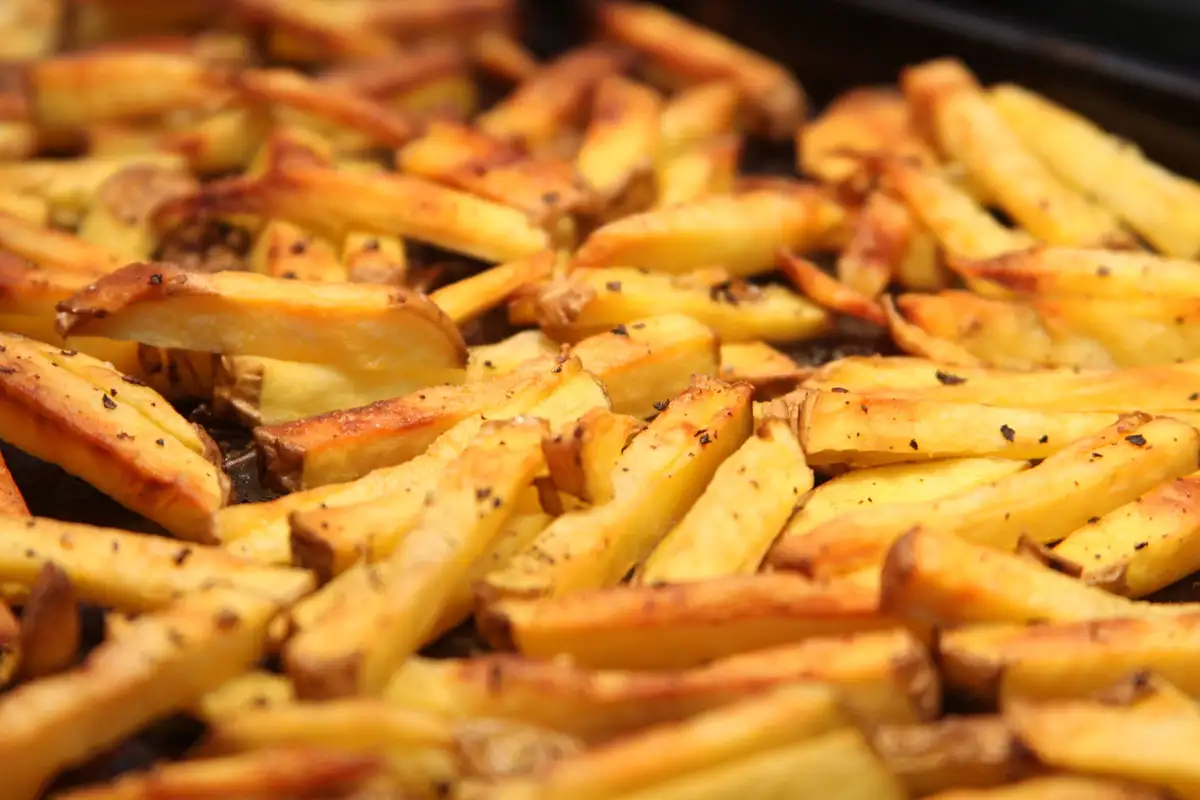
Short answer: potatoes are naturally gluten-free, but chips aren’t automatically gluten-free. The NHS lists potatoes among the foods that naturally don’t contain gluten. Coeliac UK’s gluten free checklist, though, puts “oven, deep fried, microwave and frozen chips” in its need to check column. The gluten usually comes from a coating or seasoning, or from oil that has been used for battered or breaded food.
So chips are fine on a gluten-free diet when they’re labelled gluten-free, or when you’ve checked both what’s in them and how they were cooked. This guide covers shop-bought chips, chip shops, restaurants and takeaways, and cooking chips at home.
Quick checklist
- Does the pack say gluten-free? Then it’s suitable for coeliac disease. Coeliac UK says: “When you see gluten free on a label, you know these foods are suitable on a gluten free diet.”
- No gluten-free claim? Read the ingredients for wheat, barley, rye or oats in bold. Coatings, batters and seasonings are where they usually turn up.
- Check for “may contain”. Coeliac UK advises that if a product without a gluten-free claim has a “may contain” statement for cereals containing gluten, you shouldn’t eat it.
- Eating out? Ask about the fryer and the oil, not just the chips. Shared oil is the main risk at chip shops and in many kitchens.
- Read the label every time. Recipes change, including on chips you’ve bought before.
Why chips aren’t always gluten-free
A plain chip is just potato, oil and maybe salt, none of which contain gluten. Gluten gets in in three main ways.
Coatings and batters. Many oven and frozen chips have a thin coating to make them crispier. Some coatings are made from gluten-free ingredients and some aren’t. Coeliac UK’s checklist lists “potatoes in batter, breadcrumbs or dusted with flour” as not gluten-free, so a coating made with wheat flour makes chips unsuitable unless the pack says gluten-free.
Seasonings. Seasoned chips, wedges and fries can carry a flavouring mix. Writing about crisps, Coeliac UK notes that “some flavoured seasonings contain wheat flour to help coat the crisps” and that some flavours include barley malt extract. The same check makes sense for seasoned chips: read the ingredients, or look for a gluten-free claim.
Shared oil and equipment. Oil that has fried battered fish, breaded chicken or onion rings carries gluten onto whatever is fried in it next. This is cross-contamination (sometimes called cross-contact), and it’s the main risk with chips cooked away from home.
Shop-bought chips: oven, frozen and microwave
| What you’re looking at | What to do |
|---|---|
| Chips, wedges or fries labelled gluten-free | Suitable for coeliac disease |
| Oven, frozen or microwave chips with no gluten-free claim | Need to check. Read the ingredients for wheat, barley, rye or oats in bold, and don’t buy them if there’s a “may contain” warning for cereals containing gluten |
| Seasoned or “crispy coated” chips and wedges with no gluten-free claim | Need to check, paying close attention to the coating and seasoning |
| Potato waffles, instant mash, ready-to-roast potatoes | Need to check (all in Coeliac UK’s “need to check” column) |
| Potatoes in batter, breadcrumbs or dusted with flour, and potato croquettes, with no gluten-free claim | Not gluten-free (Coeliac UK’s “not gluten free” column) |
| Fresh plain potatoes for making your own | Gluten-free |
By law, cereals containing gluten must be named in the ingredients list. Coeliac UK explains: “The cereal must be emphasised in the ingredients list, for example in bold lettering.” A “gluten-free” claim means the food has no more than 20 parts per million (ppm) of gluten, which the NHS says won’t cause a problem for most people with coeliac disease.
Coeliac UK’s key tip applies here: “Always read the label every time, recipes and manufacturing processes can change without warning.” Our guide to gluten-free labels explains “may contain” warnings and the 20 ppm rule in more detail.
Chip shops and takeaways
At a chip shop, the potato is rarely the problem. The oil is. Coeliac UK’s takeaway advice is clear:
- “Avoid chips if they are cooked in the same oil as battered fish.”
- “Chips or fish with a gluten free batter cooked in the same oil as battered products using gluten are not gluten free.”
- “Even if the chips appear to be cooked separately, be aware that the oil is often rotated so the chip oil may have previously been used to cook battered fish – so check before ordering.”
- “Some shops have designated gluten free nights or have a dedicated gluten free fryer so it is worth asking.”
Coeliac UK’s catering guidance for businesses says the same thing from the kitchen side: for deep fat frying, “use a separate fryer for gluten free or clean oil in a clean pan”. It gives a chip shop with separate gluten-free and standard fryers as an example of where dedicated serving utensils can help.
Questions you could ask (our suggestions, not an official script):
- Do you have a separate fryer for gluten-free food, with oil that’s never used for battered or breaded food?
- Is the oil ever moved between fryers?
- Do you use separate scoops, baskets and trays for the gluten-free chips?
- Are your sauces gluten-free? The NHS lists gravies and sauces among the foods to avoid unless they’re labelled gluten-free.
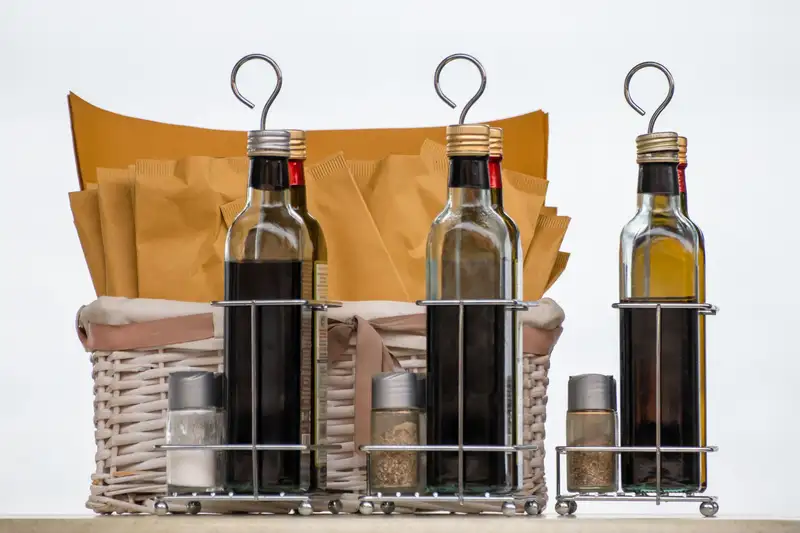
- What’s in the vinegar? Barley malt vinegar needs checking. Our malt vinegar guide explains when it’s suitable.
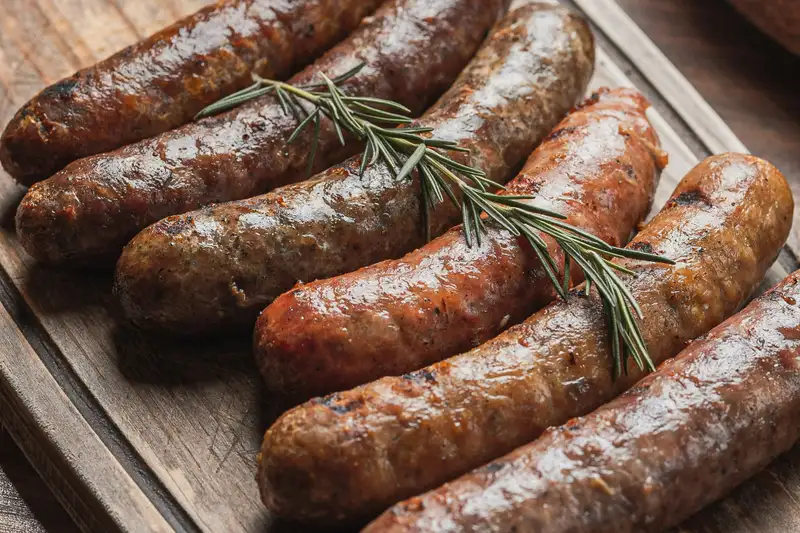
Battered sausages and other battered foods aren’t gluten-free unless the batter is. Our sausages guide covers those.
Restaurants, pubs and fast food
Chips often share a fryer with breaded chicken, scampi, onion rings or battered fish, so the same question applies anywhere you eat out: “Are the chips cooked in a separate fryer with clean oil?”
You have a right to allergen information. GOV.UK says food businesses “must give you allergen information for any loose item you buy that contains any of the 14 allergens”, verbally or in writing, and cereals containing gluten are one of the 14. For takeaways, GOV.UK says businesses must tell you about the 14 allergens both before you buy (on a website, menu or by phone) and when the food is delivered.
That information is about ingredients. A chip with no gluten ingredients can still pick up gluten in a shared fryer, so ask about the cooking as well. If a menu says “gluten-free”, the same 20 ppm limit applies: Coeliac UK’s guide to the law says it applies to “all foods sold in catering establishments and pre-packaged products”.
Coeliac UK’s eating out tips are to call ahead and ask to speak to a manager or chef, to “double check cooking methods e.g. fryer, utensils, etc are specifically used for gluten free options”, and: “if you’re still in any doubt that the meal is safe, do not eat it.” Our guide to eating out safely has more on talking to staff and your rights.
Cooking chips at home
Homemade chips from plain potatoes and oil are naturally gluten-free. The care is in the kitchen, especially if you also cook food that contains gluten. Coeliac UK’s cross-contamination advice includes:
- “Wipe down surfaces and clean pots, pans and cooking utensils with hot soapy water”
- “Use clean oil or a separate fryer for frying gluten free foods”
In practice (our suggestions):
- Deep fat fryer or pan of oil: use fresh oil for gluten-free chips, and don’t reuse oil that has fried battered or breaded food.
- Air fryer: clean the basket thoroughly between gluten-containing and gluten-free foods. A liner can help, but it doesn’t replace proper cleaning and doesn’t guarantee protection from cross-contact.
- Oven: use a clean baking tray, and don’t share a tray with breaded or battered food such as fish fingers or chicken nuggets unless they’re labelled gluten-free.
Our cross-contamination guide covers the rest of a shared kitchen, and our kitchen essentials guide looks at separate fryers and air fryer liners.
Gluten-free isn’t the same as wheat-free
If you’re buying chips for someone with a wheat allergy rather than coeliac disease, check the label for wheat as well as for a gluten-free claim. Coeliac UK’s guide to the law explains that a food can be labelled “gluten free” and also say “may contain wheat”, to protect people with a wheat allergy. For coeliac disease, the gluten-free claim is what counts.
Frequently asked questions
Are chips gluten-free?
Potatoes are naturally gluten-free, but chips aren't automatically. Coeliac UK's gluten free checklist puts oven, deep-fried, microwave and frozen chips in its 'need to check' column, because coatings, seasonings and shared fryer oil can all add gluten. Chips are suitable when they're labelled gluten-free, or when you've checked both the ingredients and how they were cooked.
Are oven chips and frozen chips gluten-free?
Some are and some aren't, so check every pack. If it says gluten-free, it's suitable for coeliac disease. If it doesn't, read the ingredients for wheat, barley, rye or oats in bold, and look for a 'may contain' warning. Coeliac UK advises that if a product without a gluten-free claim has a 'may contain' statement for cereals containing gluten, you don't eat it.
Are chip shop chips gluten-free?
Only if they're cooked in oil that hasn't been used for gluten-containing food. Coeliac UK advises avoiding chips cooked in the same oil as battered fish, and warns that oil is often rotated, so 'separate' chip oil may have been used for battered food before. Some chip shops have a dedicated gluten-free fryer or gluten-free nights, so it's worth asking.
Can I eat chips cooked in the same fryer as battered fish if the chips themselves have no gluten?
No. Coeliac UK says chips or fish with a gluten-free batter cooked in the same oil as battered products using gluten are not gluten-free. The oil carries gluten onto everything cooked in it.
Can I cook gluten-free chips in an air fryer that's also used for other food?
Coeliac UK advises using clean oil or a separate fryer for frying gluten-free foods. With an air fryer, clean the basket thoroughly between gluten-containing and gluten-free foods. A liner can help, but it doesn't replace proper cleaning and doesn't guarantee protection from cross-contact.
Sources
- Gluten free checklist (May 2024), Coeliac UK. Accessed 20 October 2026.
- Safe gluten free options for takeaways, Coeliac UK. Accessed 20 October 2026.
- Hints and tips for eating out, Coeliac UK. Accessed 20 October 2026.
- How to read food labels, Coeliac UK. Accessed 20 October 2026.
- Cross contamination, Coeliac UK. Accessed 20 October 2026.
- Crisps on a gluten free diet, Coeliac UK. Accessed 20 October 2026.
- Catering gluten free: how to get it right (December 2019), Coeliac UK. Accessed 20 October 2026.
- Gluten free law, Coeliac UK (Coeliac Commercial). Accessed 20 October 2026.
- Coeliac disease: treatment, NHS. Accessed 20 October 2026.
- What restaurants and takeaways must tell you about allergens, GOV.UK. Accessed 20 October 2026.
- Understanding food labelling: allergen labelling, GOV.UK. Accessed 20 October 2026.
The Coeliac Everyday newsletter
Gluten-free first: new recipes, supermarket alternatives, coeliac resources and allergy-aware ideas for UK families. Usually once or twice a month, never spam.
By signing up, you agree to receive the Coeliac Everyday newsletter by email. We'll email you a link to confirm first, and you won't be added until you click it. We use Kit to send our emails, and Kit records whether emails are opened and which links are clicked so we can see what's useful. You can unsubscribe at any time using the link in every email, or by emailing us. See our privacy policy for details.