Parties, sleepovers and school trips with coeliac disease: a UK guide for parents
Class parties, birthday parties, sleepovers and school trips with coeliac disease: who to talk to, what to send, and what UK schools should do.
From class Christmas parties to birthday invitations, sleepovers and the first residential trip, a lot of children’s social life happens around food, often food that someone else has chosen. If your child has coeliac disease, a little planning with the other adults involved makes most of these events straightforward. This guide covers the occasions outside everyday meals. For school dinners and packed lunches, see our guide to gluten-free packed lunches and school meals. For diagnosis and the wider law on school support, see coeliac disease in children.
In short: talk to the organiser, venue or trip leader in advance; send gluten-free food when they can’t be sure; and remember that crumbs and shared utensils matter as well as ingredients. Coeliac UK says children must not be excluded from school trips because they have coeliac disease.
What other adults need to know
Whoever is in charge, whether that’s a teacher, another parent or a party venue, the same few points help. Coeliac UK suggests explaining that coeliac disease is not an allergy and isn’t contagious, so it won’t cause a life-threatening anaphylactic reaction. That doesn’t make small amounts harmless: the NHS says that even a small amount of gluten, such as a spoonful of pasta, can cause very unpleasant symptoms.
A short note you can copy or adapt:
- They can’t eat anything containing wheat, barley or rye. Oats only if they’re labelled gluten-free (and only if your child eats oats: the NHS suggests discussing oats with a healthcare professional first).
- Bread, pasta, cereals, biscuits, cakes, pastries, pies, gravy and sauces are off the menu unless they’re gluten-free versions. Coeliac UK’s gluten-free checklist lists crisps, sausages, sweets and chocolates as foods to check.
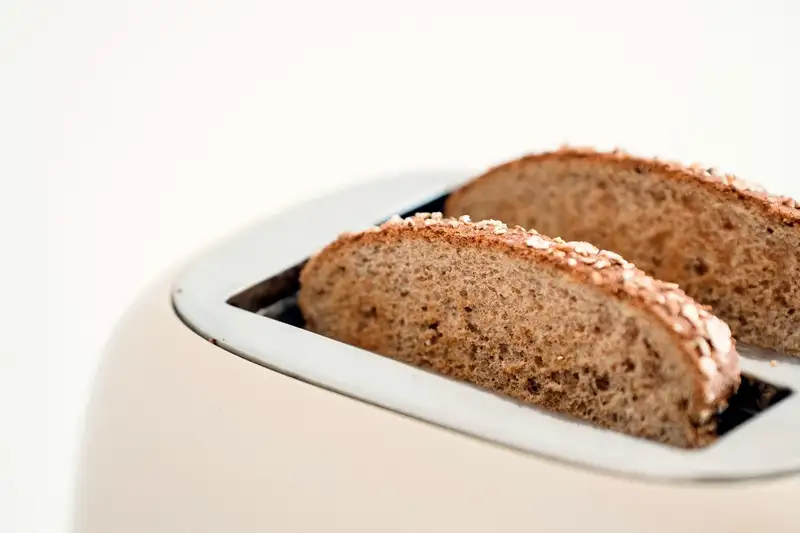
- Crumbs count. A shared toaster, butter tub, bread board or serving spoon can be enough to cause a problem.
- If they eat gluten by mistake, the most common symptoms are diarrhoea, nausea, tummy ache and wind.
- Your phone number, and a reminder that you’re happy to send food.
Coeliac UK also suggests packing basic items such as gluten-free bread and crackers as emergency supplies, and recommends this for any trip away from home.
Class parties, celebrations and bake sales
December brings Christmas parties, end-of-term treats and birthday sweets handed round the class. Coeliac UK’s answer to parents whose child is left out of birthdays and celebrations is to provide gluten-free snacks and a gluten-free alternative for when other children bring treats in. Ask staff to store them separately from food containing gluten.
For bake sales, Coeliac UK suggests asking the school to buy pre-packaged cakes kept in their original packaging, or having a separate gluten-free cake table with its own knife and chopping board.
Homemade treats don’t come with a label, so they’re the hardest to check. If you’re baking for a class party yourself, our Halloween sweets guide covers which baking ingredients Coeliac UK lists as gluten-free and which need checking, and applies just as well at Christmas.
If your child has school meals, it’s worth asking the caterer early about the school Christmas dinner, since it can include stuffing, gravy and pigs in blankets. Our Christmas guide explains what to check on each.
Birthday parties
Coeliac UK points out that a party organiser will probably be very busy on the day, so don’t expect them to cater for your child automatically. Talk to the parent organising it, or the venue if you can, in advance. If they can’t cater for your child, ask what food will be served so you can send similar gluten-free versions. Coeliac UK also suggests taking enough for everyone to try, so your child feels included.
Party venues such as soft play centres, bowling alleys and cafés are food businesses. GOV.UK says businesses must give you allergen information for food that isn’t prepacked, such as meals served on plates, if it contains any of the 14 allergens, including cereals containing gluten. They can tell you verbally, but must then say where you can find it in writing. That covers ingredients, not how the food is cooked, so ask separately about shared fryers, toasters and serving. Our guide to eating out safely in the UK has questions to ask and explains what “gluten-free” on a menu means.
Some things that tend to help, as our suggestions rather than official advice:
- Send a slice of gluten-free cake or a cupcake, so your child has something when the birthday cake comes out.
- Serve their plate first, before crisps get mixed with breadsticks and serving spoons move between bowls.
- Party bags: ask the host to leave sweets in their labelled packs, or swap the bag’s contents at home. The Halloween guide’s party bags tips apply all year round.
Sleepovers and staying with friends
This section sets out practical suggestions, based on Coeliac UK’s advice on avoiding cross-contamination.
The simplest approach is usually to send your child’s food, clearly labelled: breakfast (gluten-free cereal or bread), a snack, and something for the evening if the plan is takeaway or pizza. Then the host only needs to keep it apart.
If the host would like to cook, the kitchen steps that matter most are the ones Coeliac UK lists for avoiding cross-contamination at home:
- Toast: use toaster bags or a separate toaster, or skip toast.
- Spreads: a fresh, unopened butter or jam, or clean cutlery that hasn’t touched ordinary bread.
- Pans and surfaces: wiped down and washed with hot soapy water. Coeliac UK says standard washing-up liquid or a dishwasher removes gluten, and separate cloths aren’t needed.
- Frying: clean oil, not oil used for battered or breaded food.
For a fuller walk-through to share with grandparents or friends, see our guide to cross-contamination at home. Older children who know how to check a label, and are comfortable saying “I can’t have that”, find stays away much easier, so it’s worth practising at home first.
School trips: day trips and residentials
What schools should do
Coeliac UK is clear that children must not be excluded from school trips because they have coeliac disease. It says that if food is provided as part of a school activity, the school must make reasonable efforts to provide gluten-free food, and suggests speaking to your child’s teacher about the meals and snacks provided.
In England, the Department for Education’s statutory guidance, Supporting pupils at school with medical conditions, applies to state-funded schools, including academies. It says:
- schools’ arrangements should be clear about the need to actively support pupils with medical conditions to take part in trips and visits, and not prevent them from doing so
- it isn’t generally acceptable to prevent children taking part, or create unnecessary barriers, for example by requiring a parent to go on the trip
- an individual healthcare plan can set out separate arrangements for trips and other activities outside the normal timetable
Alongside the statutory points, the guidance includes non-statutory advice that schools should consider what reasonable adjustments would let pupils take part fully and safely, and that a risk assessment, planned with parents and pupils, is best practice.
In Wales, Coeliac UK’s schools and the law page says the support children with coeliac disease should expect is set out in Welsh Government statutory guidance, and that children with coeliac disease should not be excluded from any activity at school. Scotland and Northern Ireland have their own guidance, which the same Coeliac UK page summarises. Coeliac UK’s nursery, playgroup and school page has a downloadable schools pack for each nation.
Questions to ask before the trip
For a residential trip, Coeliac UK suggests calling ahead to speak to the cook or whoever provides the meals, as well as the teacher in charge. If the trip uses an outside caterer, Coeliac UK says teachers can give them its catering guidance, which explains how to prepare gluten-free food safely.
Things worth covering (our suggested list, using Coeliac UK’s cross-contamination tips):
- Who provides each meal and snack, including on the coach, and whether it’s a packed lunch you send or one the school or centre provides.
- Breakfast: is gluten-free cereal or bread available, and is there a toaster bag or separate toaster?
- Cooked meals: separate pans and utensils, and no frying in oil used for battered or breaded food.
- Treats and activities: campfire snacks, cafés, gift-shop sweets and cooking activities.
- Who on the staff team knows, and what happens if there’s a change of plan or a supply teacher.
- Whether you can send food, and how it will be stored and labelled.
Pack emergency supplies whatever the answers. For trips abroad, our guide to travelling abroad with coeliac disease covers food labels, translation cards and health cover.
If you’re not getting the support your child needs
Start by talking to the school. The DfE guidance says each school’s policy should explain how complaints about support for pupils with medical conditions are handled, and that if talking to the school doesn’t resolve things, parents can use the school’s formal complaints procedure. Coeliac UK also suggests your local dietitian, who may be able to speak to the school on your behalf.
If gluten is eaten by mistake
It happens, even with good planning. Coeliac UK explains that coeliac disease is not an allergy, so it won’t cause a life-threatening anaphylactic reaction. That doesn’t make it harmless: the NHS says symptoms return if gluten is eaten, and that eating gluten causes long-term damage to health. Carry on with the gluten-free diet, but don’t assume that’s all that’s needed. If you’re worried about your child’s symptoms, contact your GP, or use NHS 111 if you think they need medical help now or your GP is closed. If it keeps happening at a particular place, that’s a sign to change the arrangements there, not for your child to miss out.
Quick checklist
- Tell the organiser, host or trip leader early, with a short written note.
- Ask what food will be served, and send similar gluten-free versions if they can’t be sure.
- At venues, ask about allergens and how the food is prepared.
- For sleepovers, send labelled food and mention the toaster and the butter.
- For school trips, speak to the trip leader and the cook, and check the plan covers every meal.
- Always pack emergency gluten-free supplies.
Frequently asked questions
Can my child be left out of a school trip because they have coeliac disease?
Coeliac UK says children must not be excluded from school trips because they have coeliac disease, and that if food is provided as part of a school activity the school must make reasonable efforts to provide gluten-free food. In England, the Department for Education's statutory guidance says schools should actively support pupils with medical conditions to take part in trips, and that requiring a parent to go along is not generally acceptable.
Does a party venue have to tell me if its food contains gluten?
Yes, for the ingredients. GOV.UK says food businesses must give you allergen information for food that isn't prepacked, such as party meals served on plates, if it contains any of the 14 allergens, which include cereals containing gluten. That tells you what's in the food, not how it was prepared, so ask separately how they keep gluten-free food apart.
Should I send my own food to a birthday party?
Often it's the simplest option. Coeliac UK suggests talking to the parent organising the party or the venue in advance, not expecting a busy organiser to cater automatically, and, if they can't, asking what's being served so you can send similar gluten-free versions.
What should I tell a host before a sleepover?
Keep it short: your child can't eat wheat, barley or rye (or oats unless they're labelled gluten-free), crumbs and shared utensils matter as well as ingredients, and what to expect if gluten is eaten by mistake. Sending labelled breakfast and snacks takes most of the pressure off the host.
Sources
- FAQs for education and childcare, Coeliac UK. Accessed 3 November 2026.
- Nursery, playgroup and school (school trips and parties), Coeliac UK. Accessed 3 November 2026.
- Coeliac disease, schools and the law, Coeliac UK. Accessed 3 November 2026.
- Catering gluten free: how to get it right (PDF, December 2019), Coeliac UK. Accessed 3 November 2026.
- Avoiding cross-contamination at home, Coeliac UK. Accessed 3 November 2026.
- Gluten free checklist (May 2024), Coeliac UK. Accessed 3 November 2026.
- Supporting pupils at school with medical conditions (statutory guidance, December 2015; page last updated 16 August 2017), Department for Education (GOV.UK). Accessed 3 November 2026.
- Understanding food labelling: allergen labelling, GOV.UK. Accessed 3 November 2026.
- Coeliac disease: treatment, NHS. Accessed 3 November 2026.
- When to use NHS 111, NHS. Accessed 3 November 2026.
The Coeliac Everyday newsletter
Gluten-free first: new recipes, supermarket alternatives, coeliac resources and allergy-aware ideas for UK families. Usually once or twice a month, never spam.
By signing up, you agree to receive the Coeliac Everyday newsletter by email. We'll email you a link to confirm first, and you won't be added until you click it. We use Kit to send our emails, and Kit records whether emails are opened and which links are clicked so we can see what's useful. You can unsubscribe at any time using the link in every email, or by emailing us. See our privacy policy for details.